Years Of Expertise
With years of experience in FRP product development and manufacturing, we guarantee efficient production and quick delivery without compromising on quality.




We Are Open 24 Hours a Day, 7 Days a Week, Including Weekends and Public Holidays.

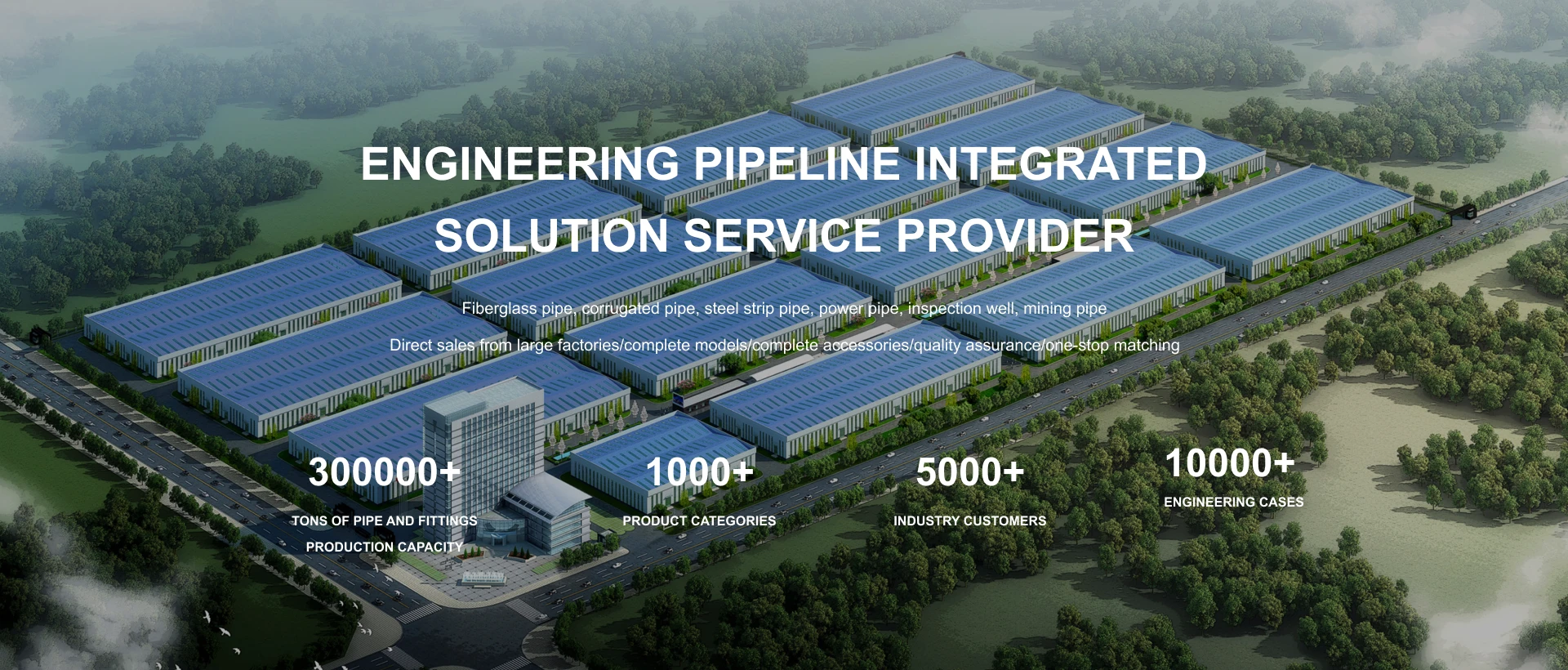


Years Of Expertise
With years of experience in FRP product development and manufacturing, we guarantee efficient production and quick delivery without compromising on quality.

Custom Solutions
We offer tailored FRP products to meet the unique needs of each client, ensuring the best fit for their specific requirements.

Premium Raw Materials
Using only high-quality materials, we ensure our products deliver exceptional strength, durability, and resistance in all conditions.

Reliable After Sales Support
Our dedicated team provides ongoing support, from installation to maintenance, ensuring a seamless experience for our customers.
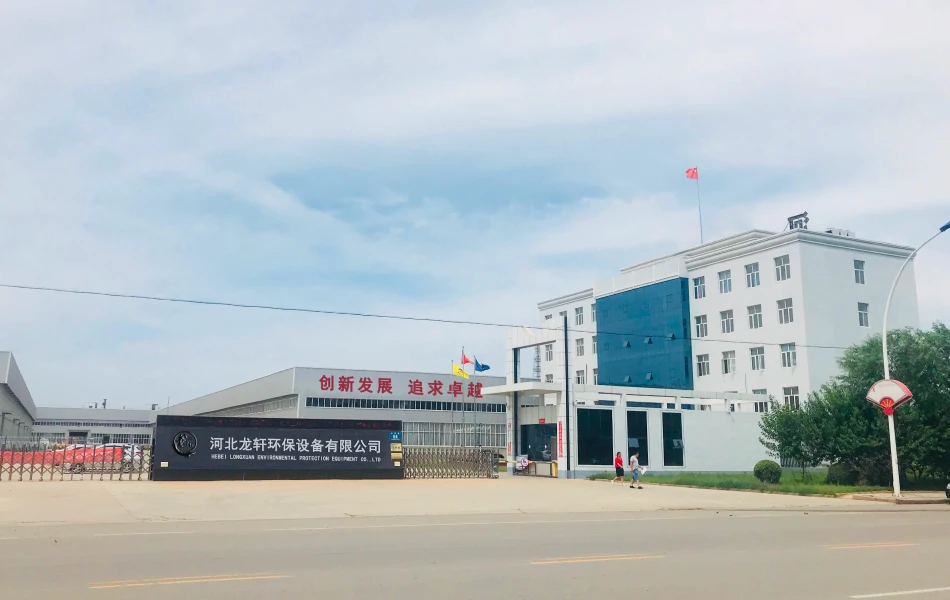
The Strategic Advantage of FRP Cable Trays in Modern Industrial Infrastructure In the rapidly evolving landscape of industrial infrastructure, the selection of robust and reliable cable management systems is paramount. Fiberglass Reinforced Plastic (FRP) cable trays have emerged as a superior alternative to traditional metallic systems, particularly in environments demanding high resistance to corrosion, electrical insulation, and lightweight solutions. A proficient frp cable tray supplier like LongXuan FRP offers comprehensive solutions tailored to the stringent requirements of various B2B sectors. This article delves into the technical intricacies, application benefits, and strategic considerations when choosing an FRP cable management partner, focusing on the LongXuan FRP Cable Bridge and related products. Precision Engineering: The Manufacturing Process of FRP Cable Trays The reliability of FRP cable trays originates from a meticulously controlled manufacturing process, primarily pultrusion, which ensures consistent quality and performance. Understanding this process is key to appreciating the product's inherent advantages. Core Materials & Formulation The foundation of FRP cable trays comprises high-strength glass fibers (typically E-glass) as reinforcement and thermosetting resins (polyester, vinyl ester, or phenolic) as the matrix. These resins are carefully selected based on the required chemical resistance, temperature rating, and fire retardancy. Additives such as UV inhibitors, flame retardants, and pigments are incorporated during resin mixing to enhance specific performance characteristics and extend service life. The Pultrusion Process Flow Fiber Reinforcement Preparation: Rolls of fiberglass rovings and mats are positioned to be continuously pulled through the system. The specific arrangement dictates the mechanical properties of the final product. Resin Impregnation: The prepared fibers are pulled through a resin bath, where they are thoroughly wetted out with the formulated resin mixture. This ensures complete saturation and bonding between the fibers and matrix. Pre-Forming & Shaping: The saturated fibers then pass through a pre-forming guide system that precisely shapes them into the desired cable tray profile (e.g., ladder, channel, or perforated frp cable tray). Heated Die Curing: The shaped composite is pulled through a heated steel die. Within this die, the thermosetting resin undergoes polymerization and cures, solidifying the material into its final, rigid form. This continuous process is critical for producing profiles with consistent cross-sections and mechanical properties. Pulling & Cutting: A continuous pulling mechanism (often caterpillar-style) draws the cured profile from the die. Automated saws then cut the continuous profile to specified lengths, typically 3 or 6 meters. Finishing & Fabrication: Post-pultrusion, trays undergo finishing operations such as drilling, slotting, and surface treatments to meet specific installation requirements. Quality Control and Testing Standards Rigorous testing is applied at every stage. Products from a reputable frp cable tray supplier adhere to international standards such as ISO 9001 for quality management, NEMA VE 1 for FRP cable tray systems, ASTM E84 for flame spread and smoke development, and relevant ANSI standards for structural integrity. These tests ensure high performance in areas like tensile strength, flexural modulus, impact resistance, and fire retardancy. The expected service life of properly specified and installed FRP cable trays typically exceeds 20 years, far surpassing the longevity of metallic alternatives in corrosive settings. Schematic of an FRP Cable Tray pultrusion line ensuring quality and consistency. Target industries benefiting from these advantages include petrochemical, offshore oil and gas, power generation, wastewater treatment, metallurgy, and water supply & drainage. In these environments, FRP's inherent corrosion resistance and electrical non-conductivity contribute significantly to operational safety and energy saving by eliminating eddy currents. Evolving Landscape: Industry Trends in FRP Cable Trays The market for FRP cable management solutions is dynamic, driven by increasing industrial demands for sustainable, high-performance materials. Current trends indicate a strong shift towards advanced composite solutions. Increased Adoption in Aggressive Environments: As industries like chemical processing, marine, and mining expand, the demand for materials that withstand extreme corrosive and abrasive conditions is soaring. FRP's superior chemical resistance makes it the material of choice. Focus on Lightweight Construction: The drive for reduced structural load and easier installation, particularly in complex or elevated structures, favors FRP due to its excellent strength-to-weight ratio. This also contributes to lower transportation costs and faster project completion. Enhanced Fire Safety Standards: With stricter fire codes globally, there is a growing demand for FRP trays with advanced flame retardant resins and smoke suppression properties, meeting international standards like UL 94 V-0 or ASTM E84 Class 1. Customization and Modularity: Projects increasingly require highly specific configurations. Leading suppliers offer extensive customization options, including unique dimensions, special coatings, and modular components for easier assembly and future expansion. Sustainability Initiatives: While FRP is a durable material, efforts are ongoing to develop more eco-friendly resin systems and explore recycling methods for end-of-life products, aligning with broader industrial sustainability goals. FRP cable trays designed for high-performance and longevity in challenging environments. Technical Specifications and Performance Parameters A detailed understanding of technical specifications is crucial for engineers and procurement professionals. FRP cable trays are defined by a range of parameters that dictate their suitability for specific applications. Key Specifications Material Composition: Typically a blend of thermosetting resin (Isophthalic Polyester, Vinyl Ester for chemical resistance, Phenolic for fire resistance) and E-glass reinforcement, with a glass content often ranging from 45-65% by weight. Mechanical Properties: Essential for load-bearing capacity. These include ultimate tensile strength (e.g., >200 MPa), flexural strength (e.g., >300 MPa), and impact strength. Electrical Properties: Non-conductive nature is a major advantage. Dielectric strength (e.g., >10 kV/mm) and volume resistivity (e.g., >10^12 Ohm-cm) ensure electrical safety. Thermal Performance: Operating temperature range (typically -50°C to +130°C), thermal conductivity (low, e.g., 0.3 W/mK), and coefficient of linear thermal expansion (comparable to steel, reducing expansion issues). Fire Retardancy: Measured by flame spread and smoke density ratings (e.g., ASTM E84 Class 1 with flame spread index ≤ 25). UV Resistance: Incorporation of UV inhibitors ensures long-term outdoor stability without significant degradation. Table 1: Typical FRP Cable Tray Product Specifications (LongXuan FRP Example) Parameter Value/Description Relevant Standard Material Composition Isophthalic Polyester / Vinyl Ester Resin, E-Glass Fiber ASTM D4385, ASTM D4065 Standard Widths 100mm, 150mm, 200mm, 300mm, 450mm, 600mm, 900mm NEMA VE 1 Standard Heights 50mm, 75mm, 100mm, 150mm NEMA VE 1 Standard Length 3000mm, 6000mm (custom available) Industry Practice Deflection (NEMA Class C, 6m span) L/200 maximum at rated load NEMA VE 1 Ultimate Tensile Strength > 250 MPa ASTM D638 Flexural Strength > 350 MPa ASTM D790 Dielectric Strength > 12 kV/mm ASTM D149 Flame Spread Rating (ASTM E84) Class 1 (FSI ≤ 25) ASTM E84 UV Resistance Excellent, with UV inhibitors ASTM G154 Corrosion Resistance Superior to steel in most chemical environments ASTM C581 Detailed view of FRP cable tray components and their robust construction. Diverse Application Scenarios and Usage The versatility of FRP cable trays allows them to thrive in a multitude of demanding industrial environments where traditional materials often fail or require excessive maintenance. A reliable frp cable tray supplier understands these diverse needs. Petrochemical Plants & Refineries: Highly corrosive atmospheres due to chemical fumes (acids, alkalis, hydrocarbons). FRP trays prevent rust, reduce the risk of sparking, and are non-conductive, making them ideal for hazardous locations. Offshore Oil & Gas Platforms: Extreme saltwater corrosion, high humidity, and the need for lightweight materials to reduce structural load. FRP's inherent corrosion resistance and low weight are critical here. Wastewater Treatment Facilities: Exposure to hydrogen sulfide, chlorine, and other aggressive chemicals, along with constant moisture. FRP provides long-term, maintenance-free operation. Power Generation & Substations: Requirement for electrical insulation, especially in high-voltage areas. FRP prevents electromagnetic interference and short circuits. Mining Operations: Abrasive environments, exposure to harsh chemicals, and the need for robust, non-conductive cable support for safety. Food & Beverage Processing: Facilities requiring high levels of hygiene and frequent wash-downs with strong cleaning agents. FRP is non-toxic, non-corrosive, and easy to clean. Data Centers & Telecommunications: Non-magnetic properties prevent signal interference, lightweight construction aids in ceiling load management, and quick installation. FRP cable trays providing reliable support in a complex industrial setting. Unrivaled Technical Advantages of FRP Cable Trays The selection of FRP cable trays over traditional metallic options is driven by a suite of technical advantages that translate directly into long-term operational and economic benefits. Superior Corrosion Resistance: Unlike galvanized steel or aluminum, FRP is impervious to a vast array of corrosive chemicals, salts, and moisture. This eliminates the need for costly coatings or replacements, offering an exceptional service life in harsh chemical, humid, or marine environments. Different resin systems (e.g., Vinyl Ester for stronger acids) allow for tailored resistance. Excellent Strength-to-Weight Ratio: FRP is significantly lighter than steel, often by 75% or more, while maintaining comparable or superior strength. This reduces the load on supporting structures, simplifies handling and installation, and lowers transportation costs. Electrical Insulation & Safety: As a non-conductive material, FRP completely eliminates the risk of electrical shorts and grounding hazards, enhancing personnel safety. It also prevents eddy current losses in high-current applications, contributing to energy saving and reducing the risk of overheating. Fire Retardancy: Many FRP formulations incorporate fire retardant additives, allowing them to meet stringent fire safety standards like ASTM E84 Class 1. This means they are self-extinguishing and exhibit low smoke development, critical for safety in enclosed spaces. UV Resistance: Specially formulated FRP, with added UV inhibitors, performs exceptionally well in outdoor applications, resisting degradation from prolonged sun exposure without cracking, fading, or losing mechanical properties. Low Maintenance & Long Service Life: FRP requires no painting, welding, or periodic rust treatment. Its durability and resistance to environmental factors translate into minimal maintenance over its extended service life, significantly reducing operational expenditures. Non-Magnetic Properties: Important in sensitive environments like data centers or medical facilities, FRP does not interfere with electromagnetic signals or sensitive equipment. Demonstrating the exceptional chemical resistance of FRP material. Selecting Your FRP Cable Tray Supplier: A Vendor Comparison Choosing the right frp cable tray supplier is a critical decision that impacts project success, safety, and long-term cost of ownership. Factors beyond just `frp cable tray price` must be considered. Key Evaluation Criteria for a Supplier Quality Certifications: Look for ISO 9001 (quality management), NEMA VE 1 (FRP cable tray standards), ASTM (material testing), and UL listings for fire safety. These validate adherence to international quality and performance benchmarks. Product Range & Customization: A broad offering, including ladder, channel, solid bottom, and `perforated frp cable tray` types, along with the ability to provide customized sizes, resin systems, and accessories, indicates strong engineering capabilities. Technical Expertise & Support: The supplier should offer robust pre-sales consultation, engineering assistance for complex designs, and post-sales support, including installation guidance. Experienced suppliers can provide critical design validation. Experience & Reputation: Years in service and a portfolio of successful projects with reputable clients are strong indicators of reliability and proven performance. Lead Time & Logistics: Consistent and transparent lead times for both standard and custom orders, coupled with efficient global logistics, are vital for project scheduling. Warranty & After-Sales Service: Clear warranty commitments and accessible customer support build trustworthiness. Table 2: FRP Cable Tray Supplier Comparison Matrix Feature/Criterion Leading Supplier (e.g., LongXuan FRP) Average Supplier Subpar Supplier Quality Certifications ISO 9001, NEMA VE 1, ASTM, UL listed options Limited to ISO 9001 Few or no relevant certifications Product Variety Comprehensive range: ladder, channel, solid, perforated, extensive fittings Basic range, limited fittings Very limited standard options Customization Capability Full engineering support, bespoke designs, material variations Minor adjustments to standard products None or very costly custom work Technical Support Dedicated engineers, design assistance, installation guides Basic product data sheets only No dedicated support Experience & References 15+ years, global project portfolio, strong client testimonials 5-10 years, local projects, few references New entrant, no substantial track record Lead Time Reliability Consistent, transparent, on-time delivery (e.g., 4-6 weeks for custom) Variable, occasional delays Frequent delays, poor communication Pricing Competitive, value-driven `frp cable tray price` for high quality Moderate, can be inconsistent Unrealistically low or excessively high Ensuring compliance with rigorous industry standards. Tailored Excellence: Customized FRP Cable Tray Solutions Many industrial projects present unique challenges that cannot be met by off-the-shelf products. A leading `frp cable tray supplier` distinguishes itself by offering extensive customized solutions. Customization can encompass: Specific Dimensions: Non-standard widths, depths, or lengths to perfectly fit space constraints or accommodate unique cable volumes. Load-Bearing Requirements: Engineering solutions for exceptionally heavy cable loads or longer span requirements, ensuring structural integrity. Specialized Resin Systems: Selecting specific resins (e.g., highly resistant Vinyl Ester for strong acids, or Phenolic for enhanced fire performance in tunnels) for targeted chemical or temperature resistance. Unique Configurations: Custom fabrication of bends, reducers, tees, or complex intersections, especially for `frp grp cable tray` systems that need intricate routing. Color Matching: For aesthetic consistency or specific safety coding in certain industrial environments. Surface Treatments: Anti-slip coatings for walk-on covers, or specific finishes for enhanced chemical splash protection. The ability to provide engineering drawings, finite element analysis (FEA), and detailed project management for custom solutions is a hallmark of an authoritative supplier. This ensures that the tailored products integrate seamlessly and perform optimally within the larger infrastructure project. Customized FRP cable tray components ready for project integration. Real-World Impact: Application Case Studies Practical applications demonstrate the tangible benefits of FRP cable trays. Here are examples illustrating their effectiveness in diverse industrial settings: Case Study 1: Large Chemical Processing Facility Challenge: An existing steel cable tray system in a fertilizer production plant was severely corroding due to constant exposure to sulfuric acid fumes and high humidity, leading to frequent maintenance, safety hazards, and downtime. Solution: The facility opted for a complete replacement with a `frp grp cable tray` system from a specialized frp cable tray supplier , specifying vinyl ester resin for its superior chemical resistance. Ladder type trays were chosen for optimal ventilation. Result: Post-installation, the FRP system has demonstrated zero corrosion over 5 years. Maintenance costs for cable management were reduced by 80%, and the non-conductive nature of FRP enhanced safety, leading to improved operational efficiency and a significant ROI. FRP cable trays effectively managing cables in a chemical environment. Case Study 2: Remote Offshore Wind Farm Substation Challenge: The substation required cable support systems that could withstand extreme marine conditions, including constant salt spray, high winds, and UV exposure, while being lightweight enough to minimize structural stress on the platform. Solution: A bespoke `perforated frp cable tray` system, manufactured with high-grade isophthalic polyester resin and UV inhibitors, was designed and supplied. The perforated design allowed for excellent drainage and ventilation, crucial in a marine setting. Result: The lightweight FRP trays significantly reduced the overall weight of the electrical infrastructure. After 7 years, the trays show no signs of degradation, cracking, or loss of mechanical strength, proving their durability against the elements and drastically cutting down inspection and repair costs compared to potential metallic alternatives. Offshore application demonstrating the resilience of FRP cable trays. Case Study 3: Metro Tunnel Electrical System Upgrade Challenge: An urban metro system required upgrading its electrical infrastructure within existing tunnels. The primary concerns were fire safety (low smoke and flame spread), ease of installation in confined spaces, and long-term durability in a damp, high-vibration environment. Solution: A customized `frp grp cable tray` system using phenolic resin for superior fire resistance and low smoke properties was chosen. The lightweight nature of FRP significantly eased installation logistics and reduced labor time, particularly important in limited access areas. Result: The FRP system exceeded fire safety requirements (ASTM E84 Class 1), provided robust cable support, and its non-conductive properties added an extra layer of safety for workers and passengers. The project was completed ahead of schedule, validating the benefits of FRP in critical infrastructure. FRP cable trays providing critical infrastructure support in confined spaces. Ensuring Trust: Lead Time, Warranty & Support Trustworthiness for an frp cable tray supplier goes beyond product quality; it extends to logistical reliability and comprehensive after-sales support. Lead Time and Fulfillment For standard FRP cable tray products, typical lead times can range from 2-4 weeks, depending on stock availability and production queue. Customized orders, requiring specific tooling or resin formulations, usually have a lead time of 4-8 weeks. A transparent supplier will provide accurate lead time estimates at the quoting stage and maintain open communication regarding production progress and delivery schedules. Efficient global logistics partners ensure timely and secure delivery to project sites worldwide. Warranty Commitments Reputable FRP cable tray suppliers typically offer a comprehensive warranty, often ranging from 10 to 25 years, against manufacturing defects and material failures under normal operating conditions. This warranty underscores confidence in product quality and longevity, providing peace of mind for clients making significant infrastructure investments. Specific terms and conditions, including coverage for environmental degradation, should be clearly outlined. Customer Support and After-Sales Service Exceptional customer support is a hallmark of a professional supplier. This includes: Technical Assistance: Availability of experienced engineers for consultation on product selection, design integration, and problem-solving. Installation Guidance: Comprehensive installation manuals, drawings, and, if required, on-site supervision or training. Responsive Communication: Multiple channels for support (phone, email, dedicated account managers) ensuring prompt responses to inquiries. Spare Parts & Accessories: Ready availability of components like splices, clamps, and support structures for maintenance or expansion. FRP cable tray system installation, supported by expert guidance. Frequently Asked Questions (FAQ) about FRP Cable Trays Q: What is FRP, and how does it differ from GRP? A: FRP stands for Fiberglass Reinforced Plastic, while GRP stands for Glass Reinforced Plastic. Both terms are generally interchangeable and refer to composite materials made of a polymer matrix reinforced with glass fibers. FRP is the more commonly used umbrella term in North America, while GRP is often used in Europe and Asia. Q: Why should I choose FRP cable trays over steel or aluminum? A: FRP offers superior corrosion resistance, excellent electrical insulation, a high strength-to-weight ratio, UV resistance, and often better fire retardancy. These properties make it ideal for harsh, corrosive, or electrically sensitive environments where metal trays would degrade or pose risks. Q: What environments are best suited for FRP cable trays? A: FRP cable trays excel in petrochemical plants, wastewater treatment facilities, offshore platforms, power plants, mining operations, pulp and paper mills, and any area exposed to chemicals, salt water, high humidity, or requiring electrical isolation. Q: How is `frp cable tray price` determined? A: The price is influenced by several factors: type of resin system (polyester, vinyl ester, phenolic), glass fiber content, dimensions (width, height, length), tray type (ladder, channel, perforated), fire rating, UV protection, quantity, and customization requirements. Larger orders often benefit from economies of scale. Q: Can FRP cable trays be used outdoors? A: Absolutely. Most quality FRP cable trays incorporate UV inhibitors during manufacturing, providing excellent resistance to degradation from sunlight and weathering, making them highly suitable for outdoor installations. Q: What kind of maintenance do FRP cable trays require? A: FRP cable trays are virtually maintenance-free. They do not rust, corrode, or require painting. Periodic visual inspections for any physical damage are typically sufficient. This significantly reduces operational costs over their lifespan. Q: Do you offer installation services or guidance for FRP cable trays? A: While actual installation is typically handled by the client's contractors, a professional `frp cable tray supplier` provides comprehensive installation guides, technical drawings, and engineering support to ensure correct and efficient installation. Some suppliers may also offer on-site supervision or training. Addressing common concerns about FRP cable tray systems. Conclusion FRP cable trays represent a significant advancement in cable management technology, offering unparalleled performance in challenging industrial environments. Their inherent resistance to corrosion, high strength-to-weight ratio, electrical insulation, and low maintenance requirements translate into substantial long-term savings and enhanced operational safety. Choosing an experienced and authoritative frp cable tray supplier is crucial to leveraging these benefits fully, ensuring access to high-quality products, customized solutions, and reliable support. For industries facing severe environmental conditions or strict safety protocols, investing in robust FRP cable management systems is a strategic decision that underpins infrastructure longevity and operational excellence. To explore how LongXuan FRP can tailor a high-performance FRP cable bridge solution for your specific project needs, please visit our website or contact our technical sales team for a consultation. References NEMA VE 1-2017. Metal Cable Tray Systems. National Electrical Manufacturers Association. ASTM International. Annual Book of ASTM Standards. Various standards for FRP composites. G. Lubin. (Ed.). (1998). Handbook of Composites. Van Nostrand Reinhold. Modern Plastics Magazine. Polymer Trends and Forecasts. Composites World. Advancements in Pultrusion Technology.





Address
20 Xingyuan South Street, Zaoqiang County, Hengshui City, Hebei Province, China